
Welcome to our Backpack Manufacturers, where quality meets innovation
- TEXON BAGS MANUFACTURERS
- Apr 20
- 4 min read

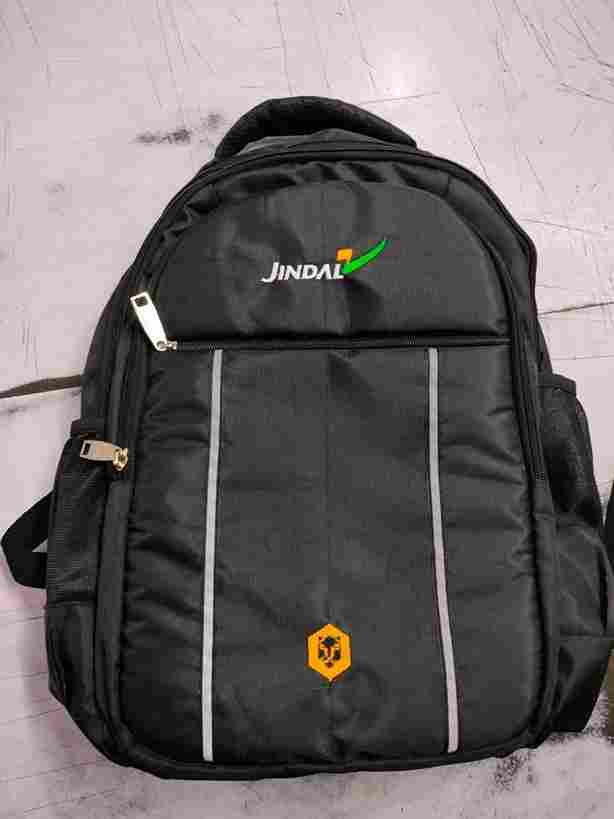
Welcome to our Backpack Manufacturers, where quality meets innovation! We specialize in crafting durable and stylish backpacks designed for every adventure. Explore wide range of products that cater to students, travelers, and outdoor enthusiasts alike. Let us help you find the perfect that combines functionality with flair!
Backpacks have come a long way from simple cloth sacks to highly engineered products designed for comfort, durability, and style. As backpack manufacturers, understanding how design has evolved helps us appreciate the craftsmanship and innovation behind every stitch and strap. This post explores the key changes in backpack design, focusing on materials, functionality, and user needs that have shaped modern manufacturing.
Early Backpack Designs and Their Limitations
Backpacks started as basic carriers made from natural materials like leather, canvas, or woven fibers. These early designs served the primary purpose of transporting goods but lacked ergonomic features. Straps were often thin and unpadded, causing discomfort during long use. The compartments were minimal, usually just one large pocket, which made organizing items difficult.
The limitations of early backpacks became clear as outdoor activities and travel increased. Users needed bags that could carry heavier loads comfortably and protect their belongings from weather and wear.
Advances in Materials and Construction
One of the biggest drivers of change in backpack design has been the development of new materials. Modern backpacks often use synthetic fabrics such as nylon and polyester, which offer several advantages:
Durability: These fabrics resist tearing and abrasion better than traditional materials.
Water resistance: Many are treated to repel water, keeping contents dry.
Lightweight: Synthetic materials reduce the overall weight of the backpack.
Manufacturers also introduced reinforced stitching and welded seams to improve strength and longevity. Foam padding in straps and back panels enhances comfort, while mesh fabrics improve breathability.
Ergonomics and Comfort Features
Comfort became a priority as backpacks were used for hiking, commuting, and school. Designers focused on ergonomics to reduce strain on the wearer’s back and shoulders. Key features include:
Contoured shoulder straps: Shaped to fit the natural curve of the shoulders.
Adjustable sternum and waist straps: Help distribute weight evenly across the body.
Padded back panels: Provide cushioning and support.
Ventilation channels: Allow airflow to reduce sweating.
These improvements allow users to carry heavier loads for longer periods without discomfort or injury.
Functional Compartments and Organization
Modern backpacks offer multiple compartments designed for specific uses. This shift reflects the diverse needs of users, from students to outdoor enthusiasts. Common features include:
Laptop sleeves: Padded compartments to protect electronics.
Water bottle holders: External pockets for easy access.
Hidden pockets: Secure storage for valuables.
Expandable sections: Allow users to increase capacity when needed.
Manufacturers design these compartments to balance accessibility with protection, making backpacks more versatile.
Sustainability in Backpack Manufacturing
Environmental concerns have influenced recent backpack designs. Many manufacturers now use recycled materials and eco-friendly production methods. For example:
Recycled polyester: Made from plastic bottles, reducing waste.
Natural dyes: Replace harmful chemical dyes.
Durable construction: Extends product life, reducing the need for replacements.
Welcome to our Backpack Manufacturers, where quality meets innovation! We specialize in crafti
ng durable and stylish backpacks designed for every adventure. Explore wide range of products that cater to students, travelers, and outdoor enthusiasts alike. Let us help you find the perfect that combines functionality with flair!
Sustainability is becoming a key selling point, appealing to consumers who want products that align with their values.
Technology Integration
The rise of technology has also impacted backpack design. Some modern backpacks include features such as:
USB charging ports: Allow users to charge devices on the go.
RFID-blocking pockets: Protect against electronic theft.
Smart compartments: Designed for gadgets like tablets and headphones.
These additions reflect how backpacks have adapted to the digital age, supporting users’ connected lifestyles.
Examples of Modern Backpack Innovations
Several brands have pushed the boundaries of backpack design with innovative features:
Anti-theft backpacks: Use lockable zippers and cut-resistant materials.
Modular backpacks: Allow users to add or remove compartments based on need.
Ergonomic hiking packs: Include suspension systems that adjust to the wearer’s movements.
These examples show how manufacturers respond to specific user demands with creative solutions.
What This Means for Backpack Manufacturers
For manufacturers, staying current with design trends means balancing tradition with innovation. It requires:
Understanding user needs: Conducting research to identify what features matter most.
Investing in materials: Choosing fabrics and components that improve durability and comfort.
Focusing on sustainability: Incorporating eco-friendly practices.
Embracing technology: Adding features that enhance usability.
By doing so, manufacturers can create backpacks that meet modern expectations and stand out in a competitive market.
Final Thoughts on Backpack Design Evolution
Backpack designs have evolved from simple carriers to sophisticated tools that support diverse lifestyles. Advances in materials, ergonomics, functionality, sustainability, and technology have transformed how backpacks are made and used. For manufacturers, this evolution offers opportunities to innovate and connect with customers who demand quality and purpose in their gear.
Understanding these changes helps us build better backpacks that combine comfort, durability, and style. The next time you pick up a backpack, consider the thoughtful design and craftsmanship that make it more than just a bag — it’s a product of decades of progress in manufacturing.


Comments