
Texonbags Bag Manufacturers in India Quality and Custom Solutions

A bag is often judged in a few seconds, but its real value shows up after weeks of use. The zip should not jam. The strap should not tear. The stitching should hold under weight. The shape should suit the product, the user, and the purpose. That is why choosing the right bag manufacturer matters.
For businesses, institutions, retailers, event organisers, and product companies, bags are not just packaging. They carry goods, create convenience, and often become part of how people remember a brand. Texonbags Bag Manufacturers in India focuses on this balance: dependable quality, practical design, and custom solutions for different needs across the country.
India has a wide and active bag manufacturing sector, ranging from simple carry bags to highly customised backpacks, laptop bags, travel bags, shopping bags, promotional bags, school bags, and utility pouches. The best results come when the manufacturer understands fabric, function, finish, and scale. Texonbags fits into that space by serving clients who need bags made with care, consistency, and usable design.
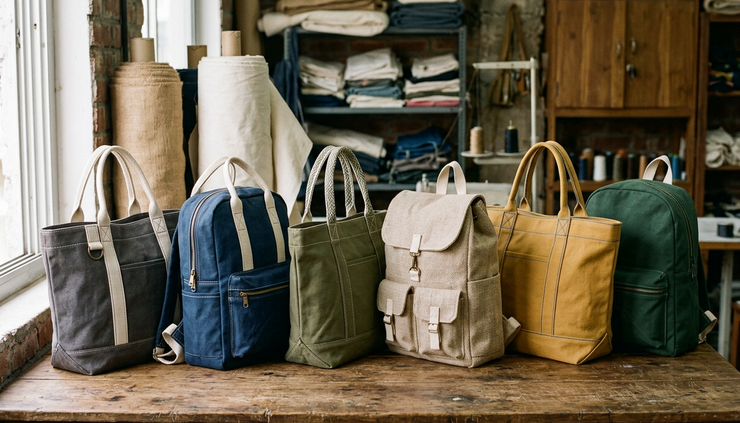
Quality begins with the right materials
The quality of a bag starts long before it reaches a sewing machine. Fabric choice, thread strength, lining, zip quality, buckles, handles, and reinforcements all affect how the final product performs.
A lightweight shopping bag does not need the same structure as a travel duffel. A laptop bag needs padding and balance. A school bag must handle daily use, rough handling, and heavy books. A promotional tote should look clean, fold well, and keep its shape after repeated use.
Good manufacturing means choosing material based on use, not only appearance. Common bag materials include:
Cotton and canvas
Suitable for totes, shopping bags, gift bags, and reusable carry bags.
Polyester and nylon
Often used for backpacks, travel bags, sports bags, and utility bags because they are light and practical.
Jute and blended fabrics
Useful for eco-friendly gifting, retail packaging, and event bags.
Non-woven fabric
Common for promotional bags, lightweight shopping bags, and bulk orders.
PU and synthetic leather
Used for premium pouches, laptop sleeves, fashion bags, and corporate gifting products.
A reliable manufacturer helps match the material to the expected use. This prevents overbuilding a simple bag or underbuilding a product that needs strength.
Small details matter as much as the main fabric. A sturdy zip can extend the life of a bag. Reinforced stitching can prevent tearing near stress points. Proper lining can improve the feel and durability. Strong handles make the bag practical rather than decorative.
For custom projects, this material planning stage is where clarity saves time and money. A manufacturer that asks the right questions at the start usually delivers a better finished product.
Custom bag solutions need more than a logo
Customisation often gets reduced to printing a logo. In reality, a custom bag can involve size, shape, compartments, fabric weight, colour, lining, closure type, print method, handle style, and packing format.
For example, a retail brand may need a reusable carry bag with a clean finish and enough strength for daily purchases. An educational institution may need school bags with multiple compartments and padded shoulder straps. A product company may need a pouch that fits a specific item without wasted space. An event organiser may want lightweight bags that are easy to distribute in large numbers.
Each use case calls for a different design approach.
Requirement | What it affects | Why it matters |
Bag size | Fabric use, shape, storage | Keeps the bag practical and cost-aware |
Fabric type | Strength, look, weight | Matches the bag to daily use |
Compartments | Function and convenience | Helps organise items better |
Handle or strap design | Comfort and durability | Reduces strain and wear |
Printing method | Finish and appearance | Supports clear, long-lasting visuals |
Closure style | Security and ease of use | Changes how the bag feels in use |
Printing also needs careful selection. Screen printing may suit simple designs and larger runs. Heat transfer can support certain artwork styles. Embroidery can add a premium feel to selected products. The right choice depends on fabric, quantity, design detail, and budget.
A good custom bag project usually starts with a clear brief. The brief should include the purpose of the bag, expected load, preferred size, quantity, colour references, branding needs, delivery timeline, and any packing requirements. When these details are clear, sampling and production become easier.
The manufacturing process should protect consistency
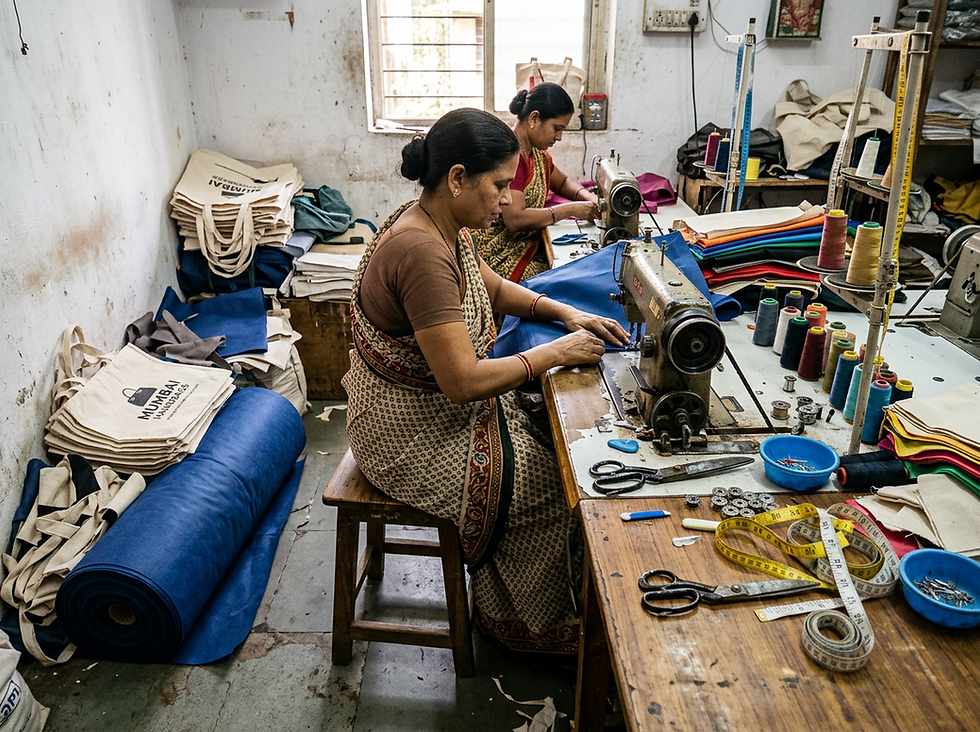
Manufacturing a bag is a sequence of decisions. If one step is weak, the final product suffers. Consistency matters most when bags are produced in bulk, because every piece must look and function as expected.
A standard bag manufacturing flow often includes:
Understanding the requirement
The manufacturer studies the bag type, use case, size, quantity, and design needs.
Material selection
Fabric, lining, zips, buckles, foam, thread, and trims are chosen based on the product.
Pattern making
The bag dimensions are converted into cutting patterns.
Sampling
A sample helps check size, shape, function, finishing, and branding placement.
Cutting
Fabric panels are cut according to the approved pattern.
Printing or embroidery
Branding or design work is added before or during assembly, depending on the method.
Stitching and assembly
Panels, straps, pockets, lining, and closures are stitched together.
Finishing and checking
Loose threads, weak stitches, stains, alignment, and packing quality are reviewed.
This process sounds simple, but it needs discipline. Bulk production can fail when samples are approved but production pieces drift from the approved standard. That is why fit, finish, measurement checks, and production supervision matter.
For clients, the sample stage is especially important. A physical sample reveals issues that a drawing or digital mock-up cannot show. Is the handle comfortable? Does the zip open smoothly? Does the bag stand as intended? Is the print placed correctly? Is the fabric too stiff or too soft?
Once a sample is approved, it becomes the reference point for production. This reduces confusion and helps both sides maintain the same expectation.
Different sectors need different bag designs
Bag manufacturing in India serves many sectors. A single design rarely works for everyone. The strength of a manufacturer lies in adapting the product to the sector without making the process complicated.
Retail and shopping bags
Retail bags must look neat and carry products safely. Fabric shopping bags, non-woven bags, jute bags, and cotton totes are common options. Many retailers now prefer reusable bags because customers can use them again after purchase.
For this category, the key points are handle strength, print clarity, folding style, and cost per piece.


Comments