
Texonbags Bag Manufacturers in Bangalore for Quality Custom Bags

A good bag looks simple from the outside. The real work sits in the fabric choice, stitching, handles, lining, load capacity, finishing, and how well the final piece matches the purpose it was made for.
That is why choosing the right bag manufacturer matters. A retail tote, delivery bag, school bag, conference kit, laptop sleeve, travel pouch, or promotional carry bag may all fall under the word “bag”, but each one needs a different build. The shape, strength, material, print area, and cost must work together.
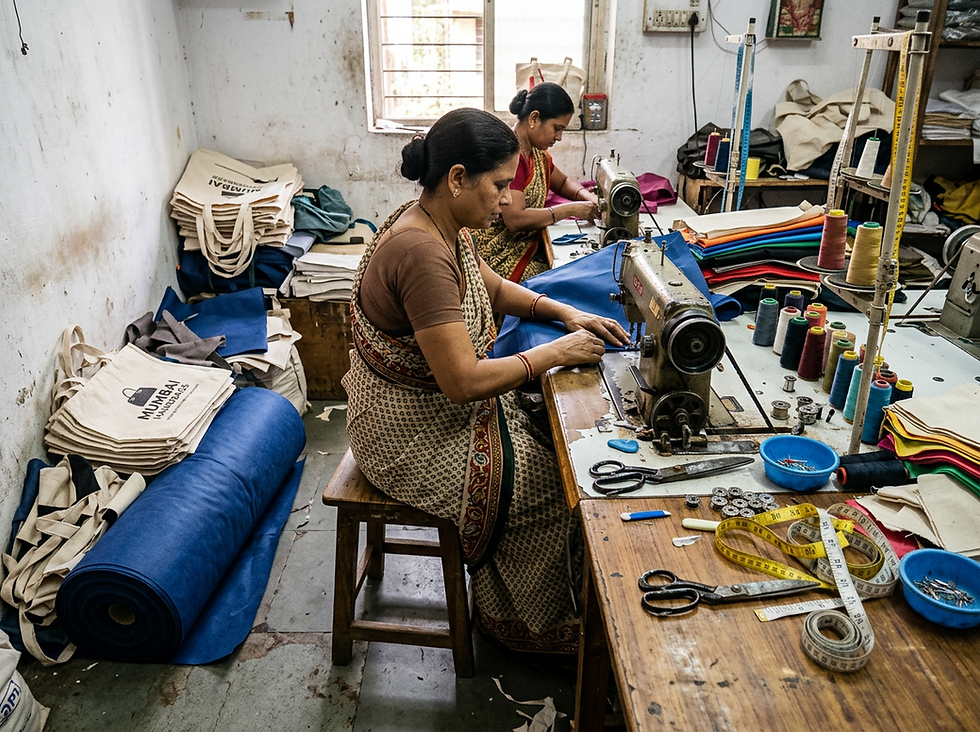
For buyers looking for custom bags in India, Bangalore is a practical manufacturing base. The city has access to skilled workers, fabric suppliers, printing support, packaging vendors, and transport links. Within this setting, Texonbags Bag Manufacturers in Bangalore is relevant for businesses, institutions, retailers, and organisations that need bags made with a clear purpose rather than off-the-shelf compromises.

Why Bangalore works well for custom bag manufacturing
Bangalore has long been known for technology and services, but it also supports a wide range of practical manufacturing work. For bags, that matters because custom production needs more than stitching machines. It needs a connected ecosystem.
A custom bag order can involve:
Fabric sourcing
Cutting and pattern making
Stitching and reinforcement
Screen printing, heat transfer, or embroidery
Zips, buttons, buckles, cords, and sliders
Quality checking
Packing and delivery planning
When these services are available within a strong local network, production becomes easier to manage. A manufacturer can test materials, make samples, correct small issues, and prepare orders with fewer delays.
Bangalore also serves buyers across India. Finished bags can move to retail stores, schools, colleges, events, warehouses, NGOs, hospitality teams, and corporate gifting suppliers in different states. This makes the city useful not only for local buyers, but also for national orders.
The value of a local manufacturer becomes clear during sampling. A bag may look right in a sketch, but the real version can reveal gaps. The handles may need extra reinforcement. The base may need a stronger stitch. The fabric may fold differently than expected. The zip may feel too light for daily use.
A good manufacturer helps solve these issues before full production begins.
What quality means in a custom bag
Quality is not one single feature. It is the result of many small choices made correctly. A low-quality bag often fails in predictable places. The handle tears, the zip jams, the stitching opens, or the print fades too soon.
For custom bags, quality starts with asking one clear question.
What will this bag carry, and how often will it be used?
A bag meant for one event has different needs from a bag used daily by students or delivery workers. A premium retail bag needs a different finish from a budget giveaway bag. A grocery tote must handle weight. A laptop bag must protect corners and hold shape.
Fabric selection sets the base
Common bag materials include cotton, canvas, jute, polyester, non-woven fabric, nylon, and laminated materials. Each has a role.
Cotton works well for simple reusable bags and soft totes. Canvas offers a stronger, heavier feel. Jute gives a natural look and is often used for gift bags or retail packaging. Polyester and nylon are useful where water resistance, light weight, or durability matters. Non-woven fabric is common for budget-friendly promotional and shopping bags.
The right choice depends on budget, usage, appearance, and quantity. A thicker material is not always better. It may add cost and weight. A lighter material is not always weaker if the design supports the intended load.
Stitching decides how long the bag lasts
Many buyers focus on the outer look first. Experienced manufacturers look at the stress points.
Handles, side seams, corners, and zip ends need extra care. A bag that carries books, groceries, tools, garments, or electronics needs reinforcement where the pressure falls most.
Good stitching should be even, tight, and suitable for the material. Loose threads, uneven lines, and weak joints are warning signs. For heavier bags, double stitching or cross stitching may be needed at key points.
Finishing affects both use and appearance
Finishing includes trimming threads, aligning panels, checking measurements, cleaning the surface, and packing the bags properly. These steps sound basic, but they change how the final order feels.
A well-finished bag looks ready to use. It also reduces rejections in bulk orders. When hundreds or thousands of bags are made, small finishing problems can become costly if they are not checked early.

The types of custom bags buyers commonly need
Custom bag manufacturing covers a wide range of use cases. A good manufacturer should be able to understand the purpose first and then guide the design.
Retail and shopping bags
Retailers need bags that carry products safely and also feel suitable for the store experience. A boutique may prefer cotton or canvas. A grocery shop may need stronger reusable bags. A gift store may choose jute or laminated fabric.
The design should match the product weight. A lightweight bag may work for garments, but not for bottles, books, or packaged food items.
Event and conference bags
Events often need bags for brochures, notebooks, ID cards, gifts, water bottles, or merchandise. These bags must be delivered on time and packed in a way that makes distribution easy.
For event bags, the most useful features are:
Comfortable handles
Enough space for documents
A clean print area
Consistent sizing
Easy stacking and transport
Since event dates cannot move, planning matters. Sampling and approval should happen early.
School, college, and training bags
Bags for students or training programmes need daily-use strength. They may carry notebooks, uniforms, lunch boxes, stationery, or devices. These bags benefit from stronger stitching, durable zips, and comfortable straps.
For institutional orders, consistency is important. The same colour, size, and finish should repeat across the full batch.
Laptop sleeves and office-use bags
Laptop sleeves and work bags need structure and protection. Padding, lining, zip quality, and inner compartments matter. Even a simple sleeve must match device sizes closely. If it is too loose, the laptop can move around. If it is too tight, users may struggle to insert and remove the device.
For such products, sampling is especially useful.
Delivery and utility bags
Delivery bags, tool bags, and utility pouches need strength and practical design. They may need insulation, water resistance, multiple compartments, or easy cleaning. These bags are less about decoration and more about performance.
A manufacturer must understand how the bag will be handled in real conditions.

How to plan a custom bag order with Texonbags
A smooth manufacturing order starts with a clear brief. Even if the design is not final, sharing the right details helps the manufacturer suggest practical options.
When approaching Texonbags for custom bags, prepare the basic information first.
Bag purpose
Explain what the bag will carry and who will use it. A bag for a school kit, retail sale, travel hamper, or delivery team will need different construction.
Material preference
If there is a preferred material, mention it. If not, share the budget and expected use. The manufacturer can suggest fabric options based on strength, look, and cost.
Size and capacity
Provide measurements if available. If not, share a sample item or describe what must fit inside. For example, A4 documents, lunch boxes, garments, books, or a laptop.
Quantity
Bulk production planning depends on quantity. The number of bags affects material buying, production time, printing setup, and packing.
Colour and print requirements
Share colour references where possible. For printing, provide design files in suitable quality. If exact colour matching matters, ask about sample approval.
Delivery timeline
Mention the required delivery date early. Custom production takes time, especially when sampling, printing, approvals, and bulk stitching are involved.
A simple brief avoids confusion. It also helps the manufacturer give practical suggestions instead of guessing.
The sample stage should not be skipped
Sampling may feel like an extra step, but it often saves money.
A sample shows how the idea works in real life. It confirms the size, fabric, stitching, handle drop, print placement, closure, and overall finish. It also gives the buyer a chance to test the bag with actual contents.
During sample review, check these points:
Does the bag hold the intended weight?
Are the handles comfortable?
Is the size correct?
Does the fabric feel suitable?
Is the print position balanced?
Are the stitches neat and strong?
Does the zip or closure work smoothly?
Is the bag easy to fold, store, or pack?
Small changes at this stage are easier than corrections after bulk production. If the handle needs to be longer, the gusset needs to be wider, or the material needs to be thicker, this is the right time to decide.
What separates a reliable bag manufacturer from a basic supplier
Many suppliers can arrange bags. Fewer can guide a custom order from idea to finished product with steady quality.
A reliable manufacturer focuses on the details that affect use. They ask questions, suggest suitable materials, explain limitations, and check the product before dispatch. They do not treat every order as the same template.
Look for these signs:
What to check | Why it matters |
Clear discussion of use case | The bag must match the job it is made for |
Material guidance | Fabric choice affects strength, cost, and appearance |
Sample support | A real sample reduces mistakes in bulk production |
Stitching quality | Strong seams improve bag life |
Printing suitability | The design must work on the chosen fabric |
Packing method | Proper packing protects the final product during transport |
Communication is another major factor. Custom production involves decisions. A good manufacturer keeps the process clear, especially when handling material availability, print limits, size changes, or delivery timelines.
Why custom bags are a practical choice for many sectors
Custom bags are useful because they combine function with identity. They carry goods, kits, tools, books, gifts, or daily essentials while matching a specific purpose.
In India, reusable bags have become common across retail, events, education, hospitality, and gifting. Many organisations prefer custom bags because they can choose the material, size, and finish instead of settling for standard stock.
A well-made custom bag can also stay in use for a long time. That gives it more value than single-use packaging. For retailers, it can improve the customer’s carrying experience. For institutions, it can bring uniformity. For events, it can make distribution easier. For gifting, it can improve presentation.
The best results come when design follows use. A bag should not only look good when empty. It should perform well when carried, packed, folded, lifted, and used repeatedly.

A strong custom bag starts with a clear purpose
Texonbags Bag Manufacturers in Bangalore for Quality Custom Bags is a strong fit as a topic because quality bag production is never just about making a carry item. It is about matching material, design, stitching, finish, and delivery to the real use of the bag.
Before placing an order, define the purpose, expected load, quantity, timeline, and finish. Ask for material guidance. Review a sample carefully. Check the stress points. Keep the design practical.
A good custom bag should feel right in the hand, carry what it needs to carry, and hold up through repeated use. When those basics are handled well, the final product does more than look neat. It becomes useful, reliable, and worth producing.


Comments