
Best Bags Manufacturers in Mumbai for Quality and Durability

A bag looks simple from the outside. A few panels, a zipper, a strap, a handle. But anyone who has carried a weak backpack in the Mumbai rain, travelled with a poorly stitched duffle, or handed out low-quality promotional bags knows the truth. A good bag is built before it is seen.
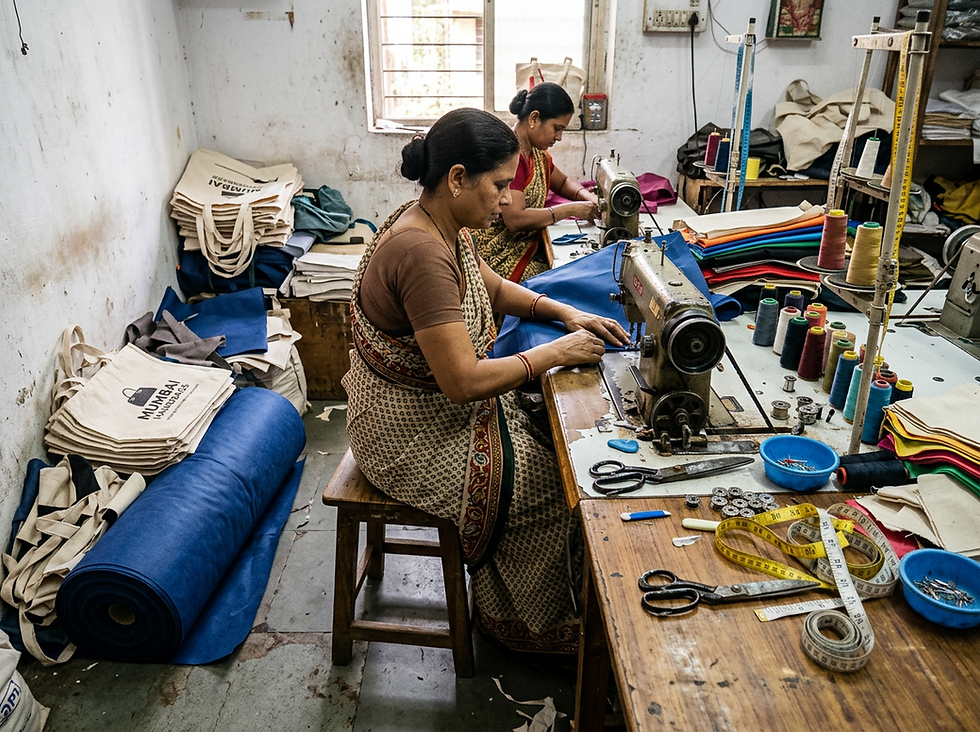
Mumbai has long been a practical place to source bags because it connects material suppliers, skilled stitching units, printing vendors, packaging support, and transport routes. For retailers, schools, companies, event organisers, resellers, and private labels, the right manufacturer can make the difference between a bag that fails quickly and one that earns repeat orders.
This is where names like Texon Bags come into the conversation. The best bags manufacturers in Mumbai are not judged only by how many designs they offer. They are judged by material choice, stitching strength, finishing, delivery discipline, and the ability to make bags that match real use.

Why Mumbai remains a strong place for bag manufacturing
Mumbai is more than a large market. It is a practical sourcing base. Bag manufacturing needs many moving parts, and the city gives manufacturers access to most of them within a workable supply chain.
A typical bag order may need:
Polyester, nylon, canvas, jute, leatherette, or non-woven fabric
Foam padding for laptop bags and school bags
Zippers, sliders, buckles, loops, runners, and pullers
Webbing for handles and shoulder straps
Printing, embroidery, or label work
Packing material and transport support
When these inputs are easier to source, manufacturers can respond better to custom needs. That matters when an order has several bag sizes, colour combinations, logo placements, or functional changes.
Mumbai also serves buyers across India. Finished bags can move to Maharashtra, Gujarat, Karnataka, Delhi NCR, Tamil Nadu, West Bengal, and other regions through established transport channels. For businesses that want production support without dealing with scattered vendors, this is a clear advantage.
The city is especially useful for categories such as:
School bags
College backpacks
Laptop bags
Travel duffle bags
Gym bags
Tote bags
Drawstring bags
Promotional bags
Shopping bags
Delivery and utility bags
Each category has its own purpose. A school bag needs strong stitching and balanced weight support. A laptop bag needs padding and reliable compartments. A promotional tote needs neat printing and cost control. A travel bag needs strong handles, sturdy zippers, and durable fabric.
A manufacturer that understands these differences can guide the order better from the start.
What quality really means in a bag
Quality does not only mean that a bag looks attractive when it is new. It means the bag holds its shape, performs its function, and survives daily use without early failure.
The strongest signs of quality are often small details.

Strong fabric selection
Fabric decides the basic strength of the bag. Polyester and nylon are common for backpacks, laptop bags, travel bags, and utility bags because they balance durability and weight. Canvas works well for totes and lifestyle bags. Jute and cotton are often chosen for eco-conscious shopping and gifting bags. Non-woven fabric is widely used for budget promotional and retail carry bags.
The right fabric depends on use. A light giveaway bag does not need the same material as a travel duffle. A laptop backpack should not use fabric that tears easily near the base or straps. Good manufacturers help buyers choose material based on purpose, not only price.
Reliable stitching
Stitching is where poor bags usually fail first. Stress points need careful reinforcement, especially near handles, shoulder straps, side seams, and base corners.
Look for neat, even stitches. Loose threads, skipped stitches, and weak seam finishing are warning signs. For heavier bags, reinforced stitching and bar tack points can improve life. In school bags and travel bags, this is especially important because users often carry more weight than expected.
Good zippers and fittings
A bag with good fabric can still fail if the zipper jams or the buckle breaks. Zippers should open smoothly. Sliders should feel secure. Buckles should not crack easily. The webbing should match the load the bag is expected to carry.
For laptop bags, travel bags, and school bags, fittings are not decorative. They are functional parts. Low-quality accessories may reduce the cost at first, but they can damage the user experience quickly.
Practical design
A durable bag should also be easy to use. That means sensible compartments, comfortable straps, enough padding where needed, and a shape that suits the purpose.
For example, a laptop bag needs a padded section that holds the device securely. A school bag needs space for books, tiffin, bottles, and stationery. A gym bag needs a wider opening and better internal space. A promotional tote should have handles that feel comfortable even when the bag is filled.
Good design prevents returns, complaints, and waste.
Why Texon Bags deserves attention among Mumbai manufacturers
Texonbags is often searched by buyers who want a bag manufacturer in Mumbai that can support practical, durable, and customised products. For businesses, the appeal of working with a focused bag manufacturer is simple. It reduces guesswork.
Instead of selecting a ready-made product that only partly fits the requirement, buyers can discuss the intended use, order size, fabric preference, colour, print area, compartments, and packing needs. That kind of conversation helps create a more suitable bag.
A manufacturer such as Texon Bags can be relevant for several buyer needs:
Customised promotional bags for events and campaigns
Retail bags for stores and merchandise lines
School and college bags with practical compartments
Laptop bags for daily commuting
Duffel and travel bags for regular use
Tote and shopping bags for gifting or retail
The real value lies in matching the bag to its role. A bag made for a product launch has different priorities from a bag made for schoolchildren. A bag for staff onboarding has different requirements from a bag sold in a retail store. The best manufacturer listens before producing.

Another reason to consider a specialist manufacturer is consistency. When bags are ordered in bulk, every piece should look and feel similar. Differences in stitch quality, fabric shade, panel size, and print position can make the whole batch look unprofessional.
Good manufacturers use clear sampling and production checks to reduce such issues. Buyers should always ask for a sample before approving a larger order. A physical sample shows the real material feel, weight, finishing, and size better than a photo.
How to compare bag manufacturers before placing an order
Choosing a manufacturer only on price is risky. A low rate may look attractive, but it can lead to weak material, thin padding, rough stitching, low-grade zippers, or poor packing.
A better comparison looks at quality, clarity, and dependability together.
Check the product range
A wider product range usually shows that the manufacturer understands different bag types. Still, range alone is not enough. Ask whether the manufacturer has made bags similar to your requirement.
If the order is for laptop bags, check laptop padding, shoulder strap comfort, handle strength, and compartment layout. If the order is for tote bags, check fabric weight, handle attachment, print finish, and folding style. If the order is for school bags, check the back panel, straps, zip quality, and base strength.
Ask about material options
A reliable manufacturer should explain material choices in plain language. The discussion should cover fabric type, GSM or thickness where relevant, lining, padding, zipper quality, and accessories.
For budget-sensitive orders, the manufacturer may suggest cost-saving options. That is useful, as long as the bag still suits its purpose. The lowest-cost material is not always wrong, but it must be used in the right product.
Review stitching and finishing
Ask to see existing samples or a fresh sample. Check the inside as well as the outside. Many quality problems hide inside the bag.
Look at:
Strap joints
Base corners
Zipper ends
Inner lining
Handles
Thread trimming
Print or embroidery placement
Padding thickness
A clean finish shows care. It also improves the perceived value of the product.
Discuss customisation clearly
Custom bags need clear specifications. Before production, confirm the size, colour, fabric, number of compartments, logo method, print position, colour matching, packing style, and delivery timeline.
Written approval helps avoid confusion. If a design has multiple colours or panels, a sample becomes even more important.
Understand production timelines
Bag manufacturing takes time because it involves sourcing, cutting, printing, stitching, finishing, checking, and packing. Urgent orders may be possible in some cases, but quality should not be sacrificed.
A good manufacturer will give a realistic timeline based on the product type and order quantity. It is better to plan early than rush production at the last minute.
The role of durability in brand value
A bag often stays with the user longer than many other promotional or retail items. That makes durability important for both practical and brand reasons.
If a company gives out a weak bag, the user remembers the poor quality. If a retail store sells a bag that tears quickly, customers may not return. If a school bag fails within weeks, parents lose trust. A durable bag does more than carry items. It protects the reputation attached to it.
This is why buyers should think beyond the first look. A glossy fabric or bold print may attract attention, but daily use tests the real build. The straps, stitching, zipper, and base carry the actual burden.
For Mumbai’s weather, durability can also mean better resistance to moisture, dust, and rough commuting conditions. Bags used in local trains, buses, two-wheelers, and school transport face regular stress. The design should suit that reality.


Comments